

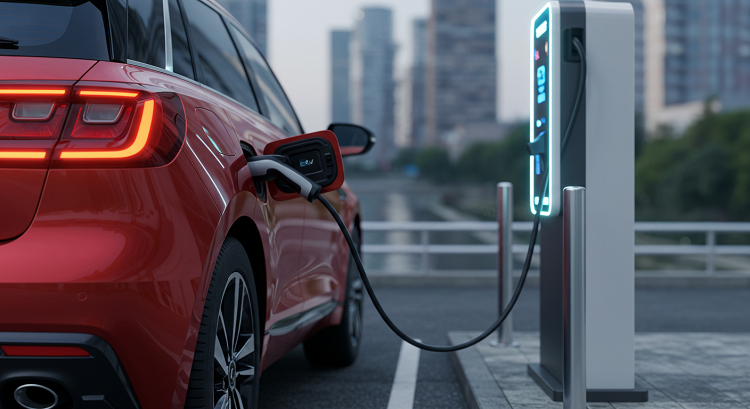
Electric vehicles (EVs) have become one of the most promising solutions for cleaner and more sustainable transportation. While city driving has already proven to be a stronghold for EVs due to short commutes and easy access to charging, the question still lingers: can EVs handle long-distance travel?
For years, skeptics have argued that EVs aren’t practical for road trips or cross-country drives because of limited range and scarce charging stations. However, advancements in battery technology, charging infrastructure, and vehicle design are quickly changing this narrative. Today, more people are considering EVs not only for their daily drives but also for adventurous long journeys.
The Evolution of EV Range
Range anxiety—the fear of running out of battery before reaching a charging station—was once the biggest barrier to EV adoption. Early electric cars often offered ranges of less than 100 miles, making them suitable only for short commutes. Fast forward to today, many modern EVs boast ranges between 250 and 400 miles on a single charge.
Luxury EVs, such as those from Tesla, Lucid, and Mercedes-Benz, push even further with ranges exceeding 500 miles under certain driving conditions. While range figures can vary depending on speed, terrain, and climate, the numbers are now comparable to or even exceeding some traditional gasoline cars.
Drivers planning long-distance trips now have more confidence knowing their EV can cover significant stretches of road before requiring a stop. Still, range alone is not enough—the availability and speed of charging play just as critical a role.
Charging Infrastructure: The Real Game-Changer
No matter how powerful the battery, an EV’s practicality for long-distance travel depends heavily on charging networks. Gas stations are virtually everywhere, but EV charging stations are still catching up.
In recent years, charging infrastructure has expanded rapidly. Major networks now provide thousands of fast-charging stations across highways, making it possible to plan a road trip with scheduled charging stops. Fast chargers, often referred to as DC fast chargers, can replenish up to 80% of a battery in around 30 minutes, depending on the model.
Many drivers use apps and resources to map out charging stations before hitting the road. Websites like evblogs.in and other EV-focused platforms often share tips, tools, and updates on new charging networks, helping travelers make informed decisions about routes and stopovers. Having this kind of guidance significantly reduces the anxiety of venturing far from home in an EV.
Planning is Key
Unlike traditional cars, where refueling is quick and predictable, long-distance EV trips require more planning. Knowing the vehicle’s range, identifying charging points, and estimating charging times become essential steps before starting the journey.
For example, a 500-mile road trip in a car with a 300-mile range might only require one stop, but depending on charging speed, that stop could add 30 minutes to an hour. Drivers also need to consider contingencies—such as crowded charging stations, broken equipment, or unexpected detours.
Route planners designed specifically for EVs, like PlugShare or in-car navigation systems, help anticipate these issues by showing charging locations in real-time. With proper planning, long-distance travel in EVs is less of a gamble and more of a structured adventure.
Cost Benefits of Long EV Trips
One of the major advantages of long-distance EV travel is cost savings. Charging an EV is significantly cheaper than filling a tank of gas. While the savings can vary by region and electricity costs, most road-trippers find that traveling by EV reduces overall expenses.
Additionally, many charging stations located along highways are situated in convenient areas, often near restaurants or shopping centers. This allows travelers to combine rest breaks with charging time, making the downtime feel less like a chore and more like part of the trip.
Some hotels also provide overnight charging facilities, which is especially helpful when breaking long journeys into multiple days. Waking up to a fully charged car adds convenience that traditional fuel-powered vehicles cannot match.
The Role of Battery Technology
The advances in EV battery technology are at the heart of long-distance feasibility. Current lithium-ion batteries are becoming more energy-dense, which means they hold more power in smaller packages. Automakers are also exploring solid-state batteries, which promise even faster charging, longer range, and greater durability.
These innovations could completely change the way people perceive long EV trips. Imagine driving 600 miles on a single charge and recharging fully in under 15 minutes—such milestones are no longer unrealistic predictions but upcoming realities.
Challenges Still to Overcome
Despite progress, long-distance EV travel is not without its hurdles:
- Charging Time: Even the fastest chargers still take longer than filling up a gas tank. While 20–30 minutes may not seem long, frequent stops can add hours to a trip.
- Charging Availability: Not all regions are equally equipped. While urban areas and major highways may have plenty of chargers, rural or remote locations still lack proper infrastructure.
- Battery Degradation: Over time, EV batteries lose efficiency. This could reduce the effective range for long trips in older vehicles.
- Weather Impact: Cold or extremely hot conditions can reduce battery performance, requiring more frequent stops.
These challenges mean that while EV road trips are possible, they require a mindset shift compared to traditional cars.
The Joy of EV Road Trips
Interestingly, many EV owners report that road trips in electric vehicles feel more relaxed and enjoyable. Because the car encourages periodic stops for charging, drivers often take more breaks, stretch, and rest—something many people neglect when driving traditional cars.
The quiet cabin of an EV also makes long drives more comfortable. The absence of engine noise, coupled with advanced infotainment systems and driver-assist technologies, can turn a road trip into a calm and futuristic experience.
Additionally, the environmental benefit of traveling long distances with zero tailpipe emissions is a motivating factor for many. The sense of contributing to a cleaner planet while exploring new places enhances the satisfaction of the journey.
What the Future Holds
The question “Is long-distance travel in an EV possible?” is becoming less relevant, as the answer is increasingly clear: yes, it is possible, and it’s getting easier every year.
With more investment in charging infrastructure, continuous improvements in battery technology, and growing awareness among consumers, the barriers are steadily falling. Future road trips in EVs could be as seamless as—or even more convenient than—those in traditional vehicles.
Automakers are already designing EVs with long-haul travel in mind, offering features such as advanced navigation that automatically incorporates charging stops, energy-efficient climate control, and faster charging compatibility. Governments and private companies are also working hand in hand to expand charging stations, ensuring no road is off-limits to EV drivers.
Final Thoughts
Long-distance EV travel is no longer just a dream or a marketing pitch—it’s a practical reality for many drivers today. While it requires a bit more planning and patience, the benefits often outweigh the inconveniences. From lower costs to environmental perks and an overall smoother driving experience, EVs are proving their worth beyond city limits.
As technology evolves, what feels like a compromise today will likely become second nature tomorrow. For now, the journey may take a little extra effort, but it also promises an exciting glimpse into the future of mobility.